Paprika -1991- Dvdrip -18 - - 1.5gb __link__ May 2026
Paprika -1991- Dvdrip -18 - - 1.5gb __link__ May 2026
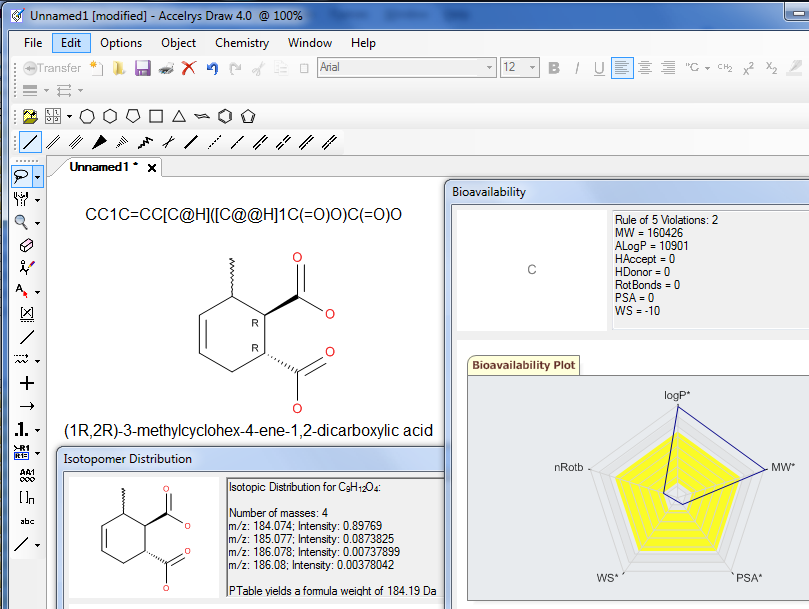 |
With the
same look-and-feel as ISIS/Draw, Accelrys Draw delivers speed and
efficiency to your chemical drawing experience.
Accelrys Draw can easily swap out existing ISIS/Draw or ChemDraw applications. |
|
Paprika -1991- Dvdrip -18 - - 1.5gb __link__ May 2026Click here for more details about Rgroups, an example, and a detailed procedure how to draw a Markush query. To draw a Markush query:
|
|
|
| Generic Structure
Enumerator The enumerator works against structures defined using the Rgroup tool in Accelrys Draw. In this mode you specify a scaffold with a number of Rgroup labels, then to add fragments to the Rgroup identifiers. The Add-in will calculate the complete set of structures that the Rgroups define. You can also define a generic region using the Sgroup tool. Draw the basic structure and using the Sgroup tool, drag a pair of brackets around a region that is repeated in the substance. From the dropdown select ‘generic’ for the bracket type, then select apply and exit from the dialog. Right click on one of the brackets and select the Attach Data option. In the dialog enter REPEATRANGE into the Field description box, and then enter the range in the Data box; leave the Search Operator set to none; the Tag field is optional. A contiguous range is required in the Data box, for example 3-6. A structure can contain both Rgroup definitions and Sgroup definitions, but they cannot overlap or be nested. You have the option to enumerate on to Accelrys Draw’s canvas, into an SDfile, or into an Isentris for Excel compatible spreadsheet. |
 |
|
Paprika -1991- Dvdrip -18 - - 1.5gb __link__ May 2026Released in 1991, “Paprika” was a groundbreaking film in many ways. It was one of the first anime films to explore the concept of shared dreaming, and its unique storyline captivated audiences worldwide. The film’s success can be attributed to its blend of science fiction, action, and psychological thriller elements, making it a must-watch for fans of the genre. “Paprika” is based on a novel of the same name by Yasutaka Tsutsui, published in 1993. The film takes place in a not-too-distant future where a device called the “DC Mini” has been invented, allowing researchers to enter people’s dreams. The story follows Paprika, a researcher at a leading research institution, who uses this device to help people overcome their psychological traumas. However, when the device is stolen, Paprika must enter the dreams of others to prevent chaos from erupting in the real world. Paprika -1991- DVDRip -18 - - 1.5GB The DVDRip version of “Paprika” offers a high-quality viewing experience, with a good balance of video and audio quality. The 1.5GB file size ensures that the film can be downloaded and enjoyed without taking up too much space on your device. Additionally, the 18+ rating indicates that the film is intended for mature audiences, so viewers can expect a thought-provoking and engaging cinematic experience. “Paprika” is based on a novel of the The film’s director, Satoshi Kon, was a renowned anime director, known for his work on films like “Perfect Blue” and “Millennium Actress.” Kon’s vision for “Paprika” was to create a film that would explore the boundaries of reality and fantasy, and he succeeded in doing so. The film’s animation was produced by Madhouse, a well-known anime studio, and features a talented voice cast, including Yumi Touma, Toshihiko Kojima, and Aya Okamoto. However, when the device is stolen, Paprika must |
http://accelrys.com/products/informatics/cheminformatics/draw/add-ins.html | |
Chemical Drawing Programs – The Comparison of Accelrys (Accelrys) Draw, ChemDraw, DrawIt, ACD/ChemSketch and Chemistry 4-D DrawUniversity of Debrecen, POB 70, H-4010 Debrecen, Hungary, e-mail: Last major update : 1.11.2011 If you have any comment, do not hesitate to contact the author at the above adress. |
http://dragon.klte.hu/~gundat/rajzprogramok/dprog.html |