My Sexy Little Stepdaughter 9 -digital Sin- 202... Patched Site
My Sexy Little Stepdaughter 9 -digital Sin- 202... Patched Site
My Sexy Little Stepdaughter 9 -digital Sin- 202... Patched Site


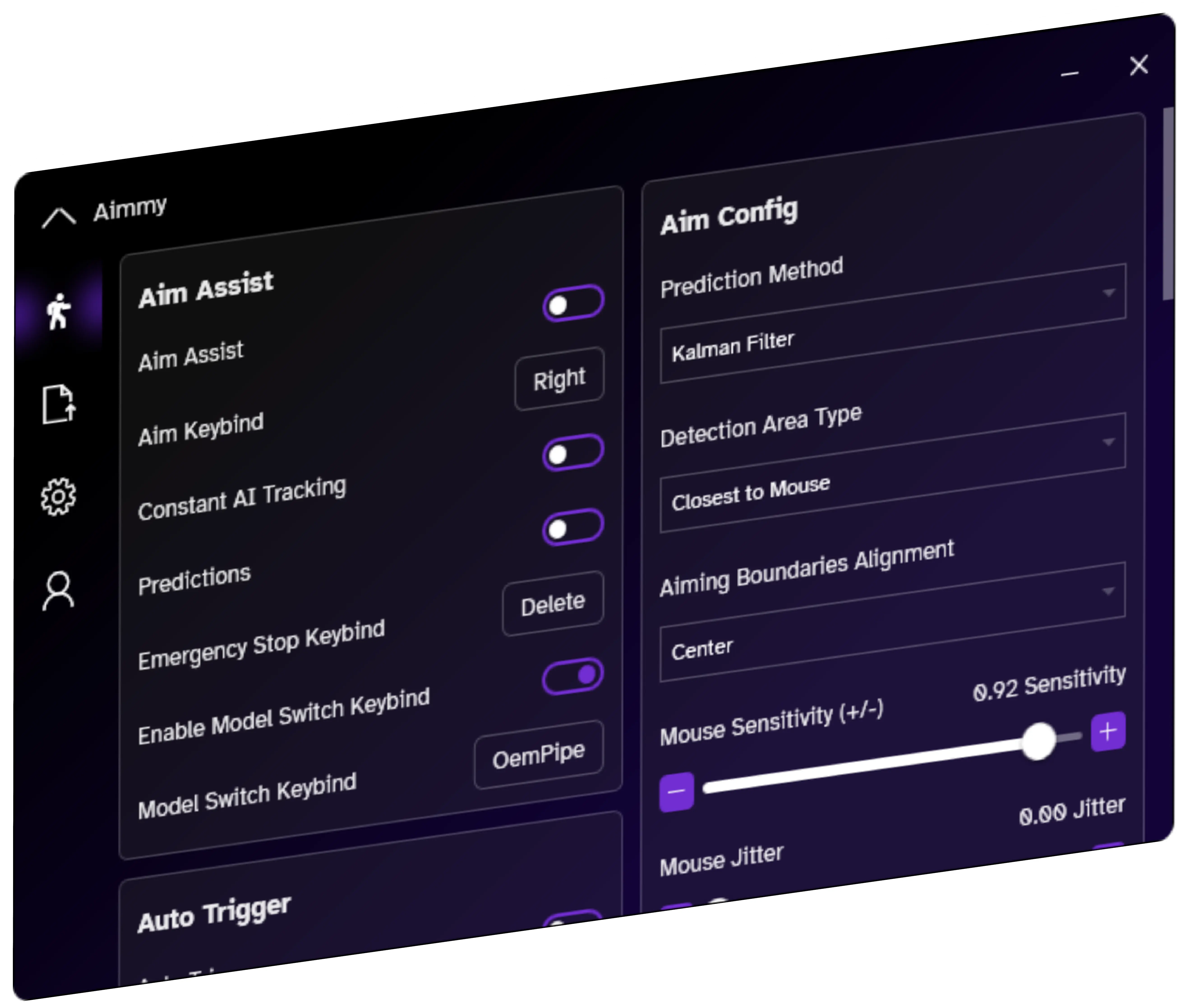
Aimmy contains over 40+ unique ways to tune your aiming, ranging from tweaks to Aim Positioning, to full features like Anti-Recoil and Detection ESP.
Utilizing Github Repositories, Aimmy allows you to upload models and configs into our store, and we even allow you to store repositories too!
Aimmy provides constant, free OTA updates with a click of a button. All you have to do is press "Check for Update" and Aimmy will be updated!
In this context, the search for "romantic storylines" is a search for high-stakes emotional engagement. Players are not just watching a romance unfold; they are architecting it. The keyword "My Little Stepdaughter" inevitably raises eyebrows, but from a literary and sociological perspective, its prevalence in digital fiction follows a distinct logic. The "blended family" dynamic is currently one of the most popular tropes in romance fiction, from mainstream paperbacks to adult visual novels.
The landscape of modern storytelling has undergone a seismic shift over the last decade. Gone are the days when narrative fiction was confined to the rigid structures of network television or the printed page. Today, a new frontier of interactive, digital-first storytelling has emerged, captivating a global audience. Within this burgeoning genre, keywords like "My Little Stepdaughter digital relationships and romantic storylines" have become increasingly prominent search terms, pointing toward a specific, controversial, and psychologically complex niche of entertainment.
This article delves into the world of interactive visual novels and simulation games, examining why stories centered on blended families, step-relations, and complex romantic entanglements have found a massive audience, and what this says about the evolution of digital intimacy. To understand the specific appeal of titles categorized under "My Little Stepdaughter" or similar thematic tags, one must first understand the platform ecosystem. Games operating within this sphere—often built on engines like Ren'Py or hosted on platforms like Steam or independent creator sites—are not merely games; they are interactive visual novels.
Unlike passive media, these games place the burden of choice squarely on the player. The "digital relationship" aspect is not just a plot point; it is a mechanic. Players build affinity, choose dialogue options, and navigate branching paths that can lead to romance, heartbreak, or tragedy. This interactivity fosters a sense of agency and immersion that traditional media struggles to replicate.
"As a professional gamer, precision is everything. Aimmy has been a game-changer for me. Its adaptive AI enhances my gameplay, making it smoother and more accessible. I've seen a significant improvement in my accuracy and speed."
"Aimmy isn't just a tool; it's a step towards inclusivity in gaming. Its customizable features empower gamers of all abilities. I've recommended it to many in the accessibility community, and the feedback has been overwhelmingly positive." My Sexy Little Stepdaughter 9 -Digital Sin- 202...
"I love gaming, but sometimes the fast-paced action gets tough. Aimmy's assistive options have made my gaming sessions a lot more enjoyable. It adjusts to my pace and style, ensuring I can keep up without feeling overwhelmed." In this context, the search for "romantic storylines"
"Esports demands precision and skill. Aimmy's AI-driven assistance doesn't compromise that; instead, it enhances my abilities, giving me an edge in competitive gaming. It's become an indispensable part of my training routine." The "blended family" dynamic is currently one of
"Finding tools that help my child fully engage in gaming has been a challenge. Aimmy's thoughtful design and diverse accessibility options have made gaming a delightful experience for my child. Thank you for creating something so impactful!"
"Aimmy isn't just beneficial during gameplay; it's a game-changer for content creation too. Its assistive features allow me to focus more on engaging with my audience while ensuring a high level of gameplay."
In this context, the search for "romantic storylines" is a search for high-stakes emotional engagement. Players are not just watching a romance unfold; they are architecting it. The keyword "My Little Stepdaughter" inevitably raises eyebrows, but from a literary and sociological perspective, its prevalence in digital fiction follows a distinct logic. The "blended family" dynamic is currently one of the most popular tropes in romance fiction, from mainstream paperbacks to adult visual novels.
The landscape of modern storytelling has undergone a seismic shift over the last decade. Gone are the days when narrative fiction was confined to the rigid structures of network television or the printed page. Today, a new frontier of interactive, digital-first storytelling has emerged, captivating a global audience. Within this burgeoning genre, keywords like "My Little Stepdaughter digital relationships and romantic storylines" have become increasingly prominent search terms, pointing toward a specific, controversial, and psychologically complex niche of entertainment.
This article delves into the world of interactive visual novels and simulation games, examining why stories centered on blended families, step-relations, and complex romantic entanglements have found a massive audience, and what this says about the evolution of digital intimacy. To understand the specific appeal of titles categorized under "My Little Stepdaughter" or similar thematic tags, one must first understand the platform ecosystem. Games operating within this sphere—often built on engines like Ren'Py or hosted on platforms like Steam or independent creator sites—are not merely games; they are interactive visual novels.
Unlike passive media, these games place the burden of choice squarely on the player. The "digital relationship" aspect is not just a plot point; it is a mechanic. Players build affinity, choose dialogue options, and navigate branching paths that can lead to romance, heartbreak, or tragedy. This interactivity fosters a sense of agency and immersion that traditional media struggles to replicate.