Marital Anatomy Page 76 May 2026
PCI Geomatics launches CATALYST - Earth Data, Simplified.

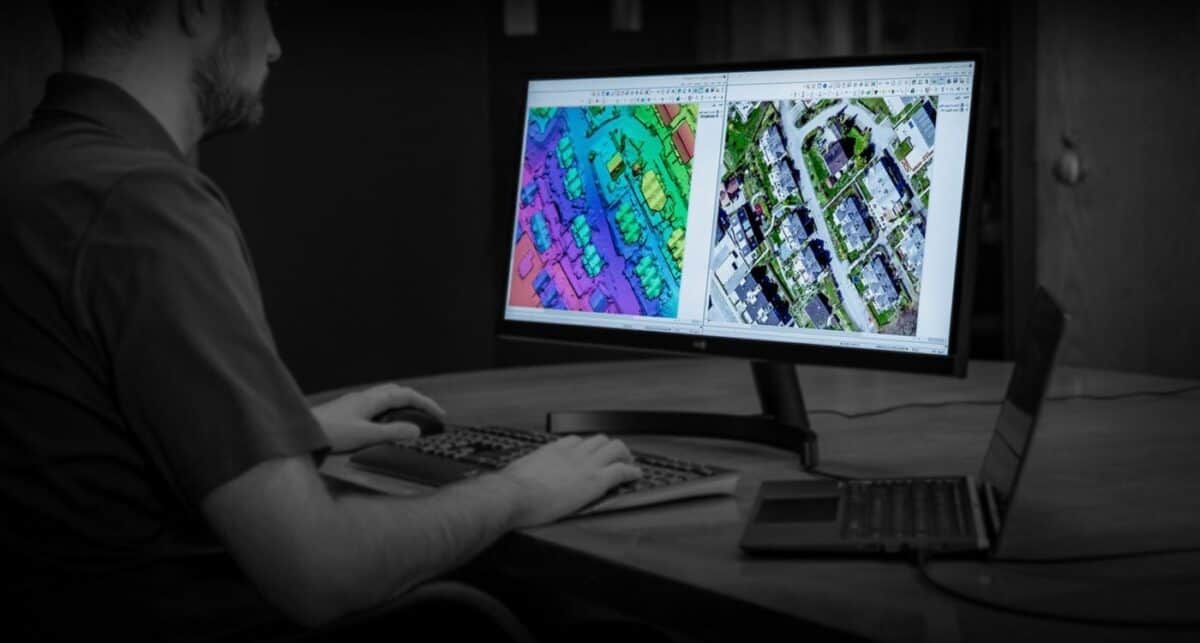
Meet CATALYST

History
We develop complete and integrated software featuring the tools professionals need for remote sensing, digital photogrammetry, image analysis, map production, mosaicking and more. Our strength lies in our uncompromising dedication to being second to none in the imagery processing pillars that are at the foundation of the geospatial world.
Our dedicated staff develops desktop and enterprise software products that allow our customers to produce information from a myriad of aerial and satellite earth observing platforms. Our vision for the future is to make the world a better place by maximizing the value of geo-imagery.

Careers at PCI Geomatics
We offer a dynamic environment where you can use your energy, initiative and talent to build your career while working closely with a group of innovative and highly talented people. Successful candidates will be part of a team that creates, markets, sells, and supports new tools for geo-image processing and automation.
PCI Geomatics offices worldwide
PCI Geomatics Corporate Headquarters
Unit 520
Toronto
Ontario M5H 3L5
Canada
PCI Geomatics National Capital Region Office
Suite 204
Gatineau
Quebec J8Y 3Y7
Canada
PCI Geomatics USA Inc
FL 6 OFC 804
Arlington
Virginia 22209-2281
United States
PCI Geomatics UK
Harwell Space Cluster
Didcot
Oxfordshire OX11 0QR
United Kingdom
★★★★½ (out of five stars) – the only reason it isn’t a full five is that the subsequent chapters could have built even more on the “Pulse‑Check” concept. Still, it’s a standout moment in a well‑crafted guide. ★★★★½ (out of five stars) – the only
A short vignette follows, spotlighting Maya and Jordan, a couple who have been together for eight years. Their story is a masterclass in subtle, everyday negotiation: Maya feels “blocked” after a stressful promotion, while Jordan’s “pulse” slows when he perceives criticism. The narrative shows how they discover that a small adjustment—regular “check‑ins” over morning coffee—acts as a “valve release,” preventing pressure from building up. Their story is a masterclass in subtle, everyday
Spoiler‑free, but please keep an eye out for the page you love the most—there’s a good chance it’s this one. By the time you flip to page 76, “Marital Anatomy” has already taken you on a gentle, scholarly tour of the many “systems” that keep a partnership alive—communication, trust, intimacy, and the often‑overlooked “maintenance schedule” that prevents wear and tear. The author, Dr. Lila Hartwell, a clinical psychologist with a knack for turning clinical jargon into warm conversation, has laid the groundwork with crisp anecdotes, well‑cited research, and a few witty footnotes that feel like whispered jokes between old friends. What Happens on Page 76? The “Circulatory” Metaphor: Hartwell introduces the idea that emotional energy flows through a marriage much like blood through veins. She uses a simple diagram—two interlocking hearts with arrows indicating “give” and “receive”—to illustrate how the direction and pressure of this flow can change over time.