Extract Data instantly from any website in minutes without coding using our ready made extractors
 No credit card required
 Unlimited Trial Credits
 Free 14-days Trial
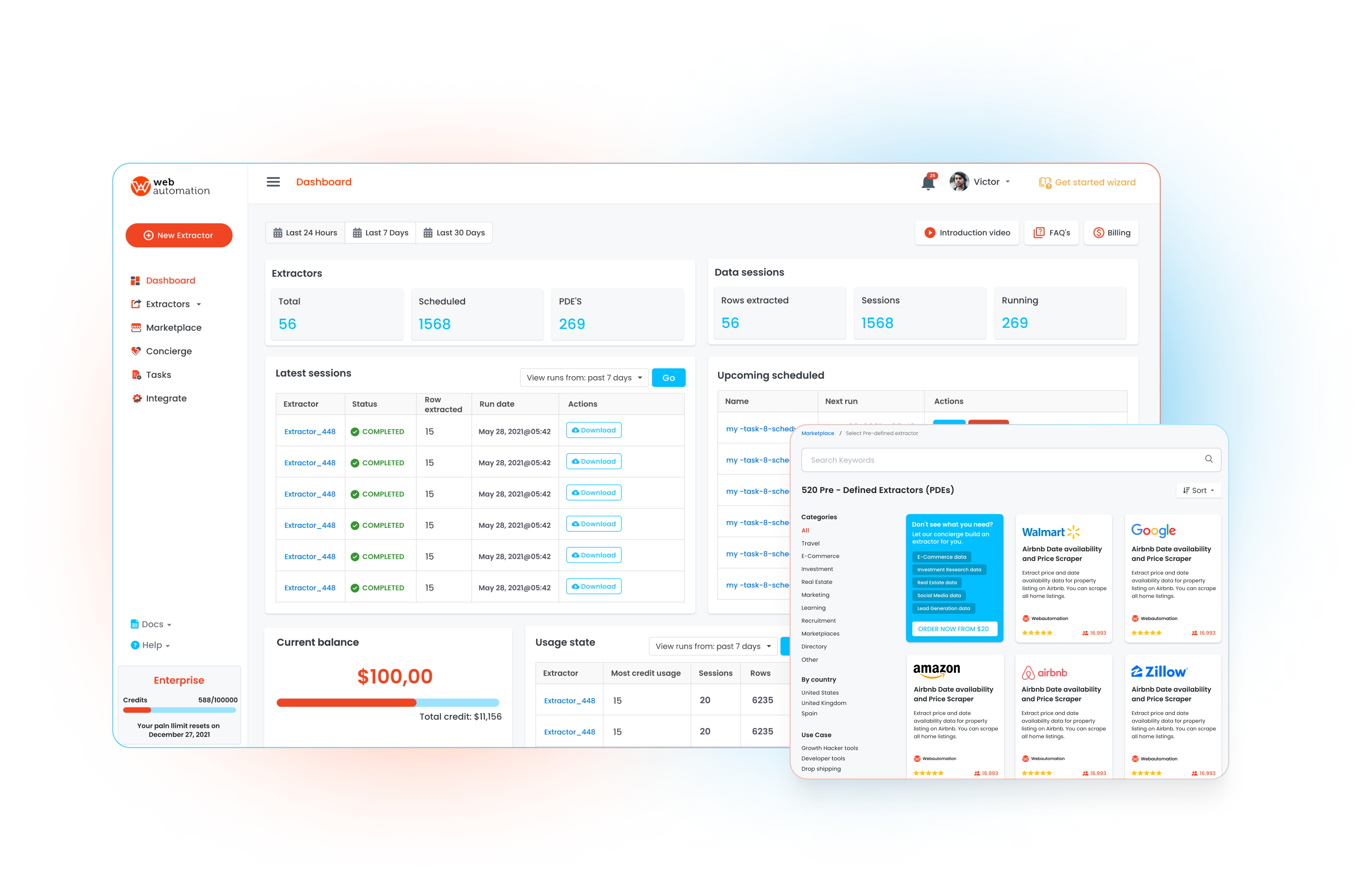








Built for continuous data collection , zero maintenance

Easily select the sources that matter most to you, from a vast range of websites and datasets
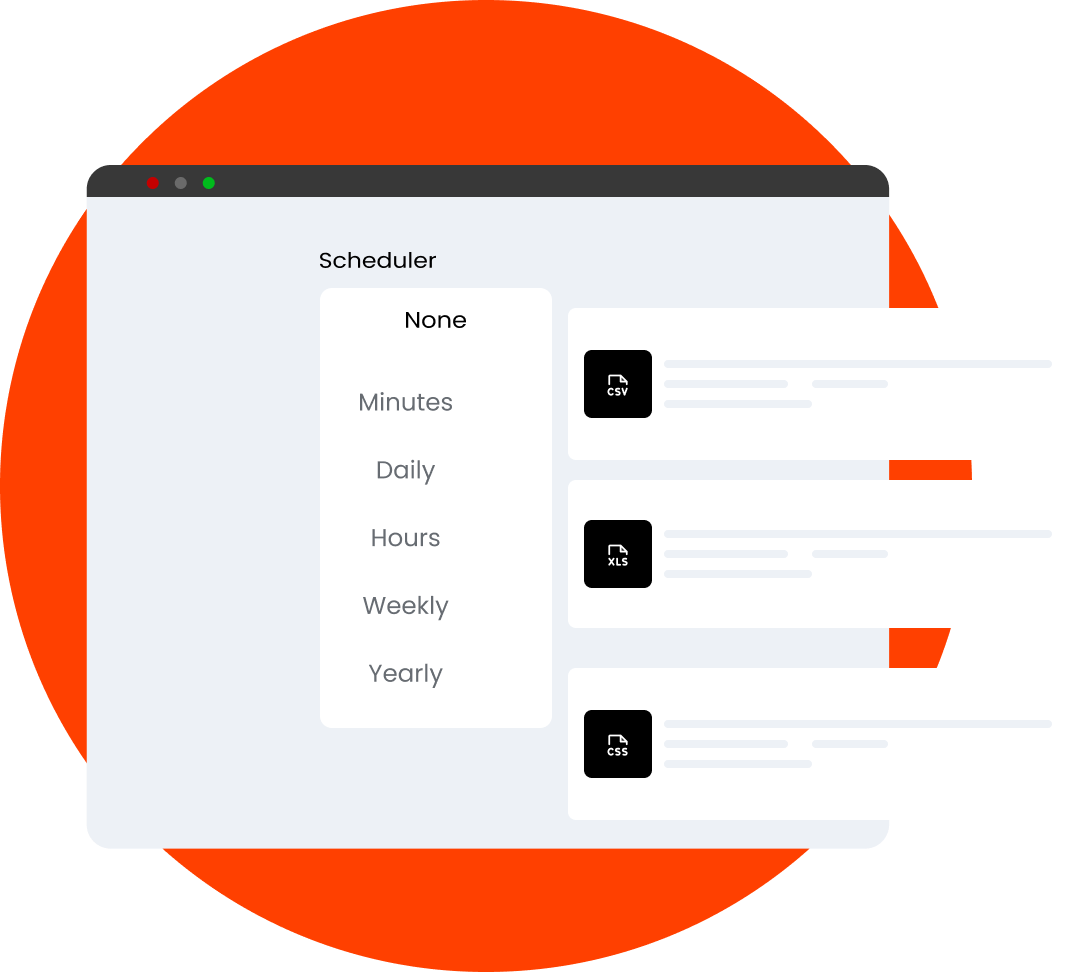
Tailor your data extraction by setting your preferences, and let our tool do the heavy lifting by extracting the structured data you need

Seamlessly download your data or integrate it directly into your workflow with support for multiple formats (CSV, Excel, JSON, JSONL, XML) and platforms
Get our concierge to build an extractor for you.
Enter URL, Select elements and submit.
We will build one for you to run on WebAutomation.
Let's Build One For Free
This paper addresses three central questions: (1) How does the physical design of the library reflect mid-20th century urban renewal? (2) In what ways does the library serve as a social safety net? (3) How does the institution actively preserve the memory of its namesake?
Located at 372 Henry Johnson Boulevard, the Henry Johnson Branch stands at a crossroads of geography and history. The boulevard itself is named after Henry Johnson (1897-1929), an African American Albany native and World War I hero who received the Medal of Honor posthumously in 2015. The library’s location in the Arbor Hill neighborhood—a predominantly Black community that served as a cultural hub for Albany’s African American population during the Great Migration—makes the facility a unique repository of local heritage. library henry johnson blvd albany ny
The Henry Johnson Branch was established in 1975, a period of significant deindustrialization and “white flight” in Albany. Unlike the grandiose, classical Main Library on Washington Avenue, the Henry Johnson Branch was constructed as a modern, single-story, brick structure typical of urban “storefront” or community-anchor libraries of the era. Its design prioritizes accessibility and durability over ornamentation. This paper addresses three central questions: (1) How
The Henry Johnson Boulevard Library: A Case Study of Urban Public Space and Community Memory in Albany, New York Located at 372 Henry Johnson Boulevard, the Henry
AI Research Unit Date: October 2023
Despite its successes, the branch faces systemic challenges. Budget constraints limit operating hours; as of 2023, the Henry Johnson Branch is closed on Sundays and Mondays, precisely when youth violence rates peak in the neighborhood. Furthermore, the building’s 1970s infrastructure is failing: HVAC systems are inadequate for summer heatwaves, and the single entrance design creates security bottlenecks that librarians report are “unwelcoming” to unhoused patrons seeking respite.
Critics also argue that the library’s focus on social work—while necessary—has strained its core educational mission. A 2021 internal memo from the APL director noted that Henry Johnson staff spend 40% of their time on non-library functions (de-escalation, medical emergencies, housing referrals), compared to 15% at the Bach Branch.
Tired of getting blocked while web scraping? Our powerful infrastructure that runs on the cloud takes care of everything so you focus on getting the data you need, when you need it.

No coding required. Processes like retries, scheduling and integrations are automated allowing for minimal user intervention

Our architecture makes webautomation.io resilient to failures using rotation of a large pool of proxies and browser fingerprinting technology

Our engineers are consistently monitoring and fixing code as the sources change. Allowing infinite scalability without service interruptions
Tired of getting blocked while web scraping? Our powerful infrastructure that runs on the cloud takes care of everything so you focus on getting the data you need, when you need it.

This paper addresses three central questions: (1) How does the physical design of the library reflect mid-20th century urban renewal? (2) In what ways does the library serve as a social safety net? (3) How does the institution actively preserve the memory of its namesake?
Located at 372 Henry Johnson Boulevard, the Henry Johnson Branch stands at a crossroads of geography and history. The boulevard itself is named after Henry Johnson (1897-1929), an African American Albany native and World War I hero who received the Medal of Honor posthumously in 2015. The library’s location in the Arbor Hill neighborhood—a predominantly Black community that served as a cultural hub for Albany’s African American population during the Great Migration—makes the facility a unique repository of local heritage.
The Henry Johnson Branch was established in 1975, a period of significant deindustrialization and “white flight” in Albany. Unlike the grandiose, classical Main Library on Washington Avenue, the Henry Johnson Branch was constructed as a modern, single-story, brick structure typical of urban “storefront” or community-anchor libraries of the era. Its design prioritizes accessibility and durability over ornamentation.
The Henry Johnson Boulevard Library: A Case Study of Urban Public Space and Community Memory in Albany, New York
AI Research Unit Date: October 2023
Despite its successes, the branch faces systemic challenges. Budget constraints limit operating hours; as of 2023, the Henry Johnson Branch is closed on Sundays and Mondays, precisely when youth violence rates peak in the neighborhood. Furthermore, the building’s 1970s infrastructure is failing: HVAC systems are inadequate for summer heatwaves, and the single entrance design creates security bottlenecks that librarians report are “unwelcoming” to unhoused patrons seeking respite.
Critics also argue that the library’s focus on social work—while necessary—has strained its core educational mission. A 2021 internal memo from the APL director noted that Henry Johnson staff spend 40% of their time on non-library functions (de-escalation, medical emergencies, housing referrals), compared to 15% at the Bach Branch.
See how our clients are transforming their businesses with our powerful data extraction solutions.

Generative AI startup leverages Ready Datasets for Scalability
Learn more

How WebAutomation is increasing innovation in the Travel Tech Industry
Learn more
Generative AI startup leverages Ready Datasets for Scalability
Learn more
How WebAutomation is increasing innovation in the Travel Tech Industry
Learn more
Everything you need to know about the product and billing.
WebAutomation is a powerful web scraping platform that allows you to extract data from any website without coding. Simply choose from our pre-built extractors or create your own custom extractor. Our platform handles everything from IP rotation to CAPTCHA solving, ensuring reliable data extraction.
Yes, absolutely! Our platform is designed to be user-friendly and requires no coding knowledge. You can use our pre-built extractors or our visual selector tool to create custom extractors. Our intuitive interface guides you through the entire process.
We take security seriously. All data extraction is done through secure connections, and we implement various security measures including IP rotation, user-agent rotation, and proxy support. Your data is encrypted in transit and at rest.
Yes, we provide comprehensive support and training for new users. This includes detailed documentation, video tutorials, and dedicated support channels. We also offer personalized onboarding sessions to help you get started quickly.

Can't find the answer you're looking for? Please chat to our friendly team.
Join over 4,000+ businesses already growing with Web Automation.